BoardHub blog › Boarding House Tips
How to Trim Your Boarding House Water Bill Without Breaking the Rules
By BoardHub Team ·
Why I Started Watching the Water Meter (and Why You Should Too)
When I first married into the family that runs a three‑room boarding house in Quezon City, the water bill was a mystery. Every month we got a ₱4,500–₱5,200 notice from Meralco, but the tenants only paid ₱2,500 each. The difference? I was guessing.
I sat down with the old ledger, the handwritten receipts, and the meter reading sheet. Turns out the house was leaking from a cracked pipe in the bathroom, and the kids were leaving the tap running while they brushed their teeth. Once I started tracking the actual cubic meters (m³) used, the numbers made sense and the bill dropped to ₱3,200.
That experience taught me two things:
- You need data, not just intuition.
- Small habits add up fast.
Below are the questions I hear most often from fellow landlords, and the answers that actually work on the ground in the Philippines.
"How do I know if my water usage is normal for a boarding house?"
First, get a baseline. Take the current month’s reading, subtract the previous month’s, and you’ll have the total m³ used. For a typical 3‑room house with 6 tenants, a reasonable range is 10–15 m³ per month (about ₱800–₱1,200). Anything above 20 m³ is a red flag.
Quick check‑list
- Compare your monthly usage to the same month last year (season matters).
- Ask the tenants if any new appliances were added (e.g., a washing machine).
- Look for spikes after a rainy season – sometimes leaks get worse when the ground swells.
If you’re still unsure, plug the numbers into BoardHub’s water‑tracking module. It pulls the Meralco reading automatically (if you link your account) and shows a clean graph, so you can spot anomalies without scrolling through spreadsheets.
"What cheap fixes can I make right now?"
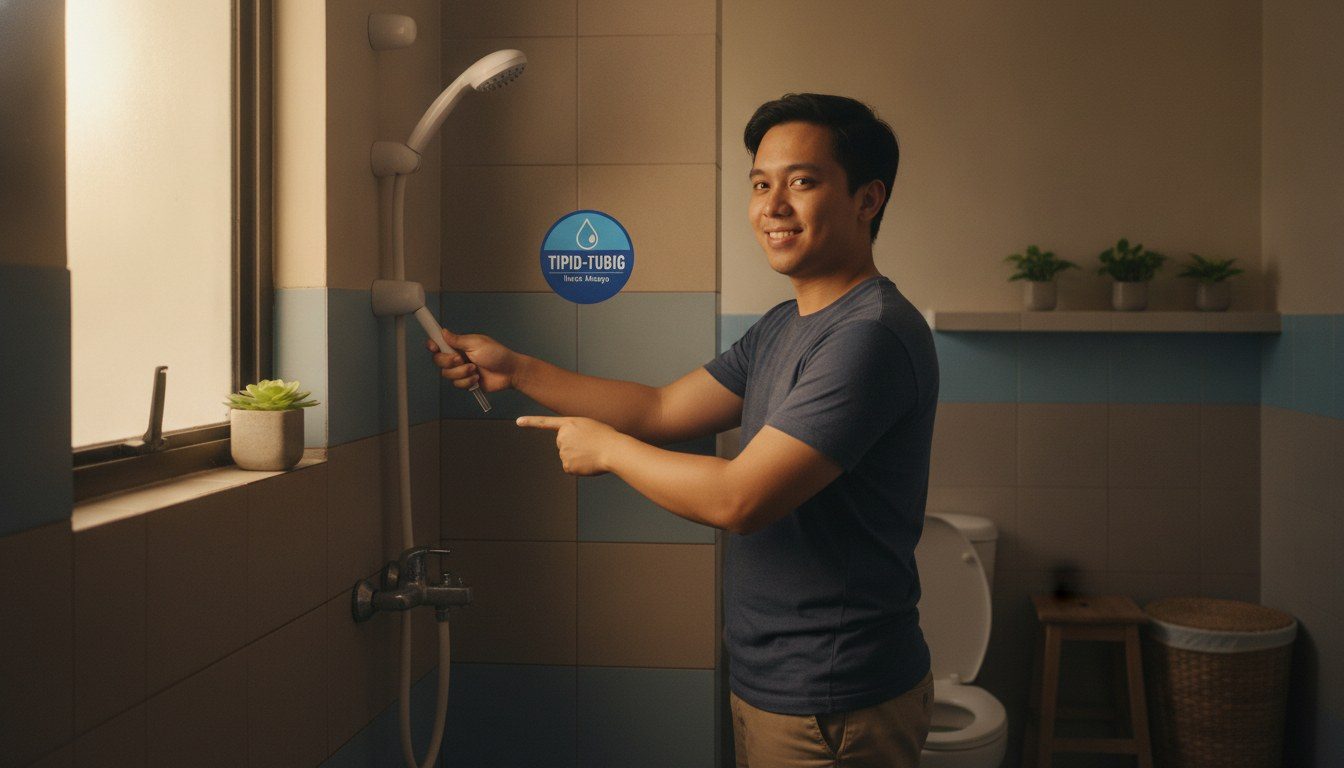
1. Fix leaks ASAP
A single drip can waste up to 15 liters per day – that’s ₱75 a month if you’re paying ₱10 per cubic meter. Grab a plumber (even a trusted barangay handyman) and seal any drips. I once spent ₱1,200 on a PVC patch and saved ₱900 the next month.
2. Install low‑flow fixtures
A 6‑liter showerhead replaces the old 12‑liter one and cuts shower usage in half. The upfront cost is about ₱350 per head; payback comes in 2–3 months.
3. Put up a “Turn Off the Tap” sign in Tagalog
A simple "Patayin ang gripo habang nagsepilyo" reminder near the sink can shave off 5–7 liters per tenant per day. It sounds trivial, but when six people do it, you’re looking at a monthly saving of roughly ₱300.
4. Use a timer for the water heater
If you have an electric water heater, set a timer so it only runs for 30 minutes in the morning and evening. That alone can trim ₱400 from the electricity bill, which indirectly reduces water waste because hot water is used faster.
"Do I need a permit or something for water‑saving upgrades?"
The LGU in Manila and most provinces require a Barangay Clearance for any plumbing alteration, even if it’s just swapping a faucet. The fee is usually ₱300–₱500. When you apply, bring a copy of your Mayor’s Permit and the latest Sanitary Permit; the clerk will stamp them and you’re good.
If you’re installing a rainwater harvesting system (a growing trend in Davao and Cebu), you’ll also need a Certificate of No Objection from the local Water District. It’s a bit of paperwork, but the savings can be huge during the dry season.
"How can I keep tenants from over‑using water without being a dictator?"
Set a fair allocation
Many boarding houses adopt a "water cap" per tenant – say ₱800 worth of water per month (about 8 m³). Explain it clearly in the lease and post a friendly chart in the common area.
Use a prepaid system
BoardHub lets you create a prepaid water wallet for each tenant. They top up via GCash or Maya, and the system deducts usage in real time. No more awkward conversations about who left the tap running.
Reward good behavior
Offer a small discount (₱100) for tenants who stay under their cap for three consecutive months. It feels like a perk, and it nudges them to be mindful.
"What if I still get a huge bill despite all these tricks?"
Audit the meter
Sometimes the meter itself is faulty. Request a Meralco inspection (free if you suspect a defect). If the meter reads higher than the actual flow, they’ll replace it.
Check for illegal connections
In some older houses, tenants tap into the main line to run a separate hose for laundry. Walk the property with a flashlight at night; any extra pipe that isn’t accounted for in the lease is a red flag.
Compare with a spreadsheet vs. BoardHub
I used to keep a handwritten log and a Google Sheet. When a tenant complained about a sudden ₱1,200 jump, I had to chase down receipts, emails, and even a WhatsApp group chat to piece it together. With BoardHub, the whole history lives in one dashboard, and I can generate a PDF report for the LGU in seconds. It saved me at least 5 hours of admin work per month – that’s roughly ₱1,500 worth of my time.
Quick Reference Checklist
| Action | Cost | Expected Savings |
|---|
| Fix leaks | ₱1,200 (one‑time) | ₱900/month |
| Low‑flow showerheads (6 pcs) | ₱2,100 | ₱1,200/month |
| Signage (Tagalog reminder) | ₱150 | ₱300/month |
| Prepaid water wallets (BoardHub) | Free plan, ₱0 setup | Reduces disputes, saves admin time |
| Meter audit (Meralco) | Free | Prevents over‑billing |
"Is there a tech solution that actually makes this easier?"

If you’re still using a notebook, a spreadsheet, and a group chat to tell tenants “pay your water share,” you’re missing out on automation. BoardHub integrates directly with Meralco, GCash, and Maya, so payments are logged instantly. It also sends automated alerts when a tenant’s usage hits 80 % of their cap, giving you a heads‑up before the bill spikes.
Compared to the old method of juggling receipts and sending reminder texts, the platform cuts down on manual entry by about 90 %. That’s not just time saved; it’s fewer errors, happier tenants, and a cleaner audit trail for the barangay.
Ready to Stop Guessing and Start Saving?
If you’re fed up with surprise water bills and endless spreadsheet headaches, give BoardHub a spin. The free plan lets you track water, collect payments via GCash or Maya, and even set usage caps for each room. Sign up today and see how quickly those ₱5,000‑plus monthly bills can shrink.